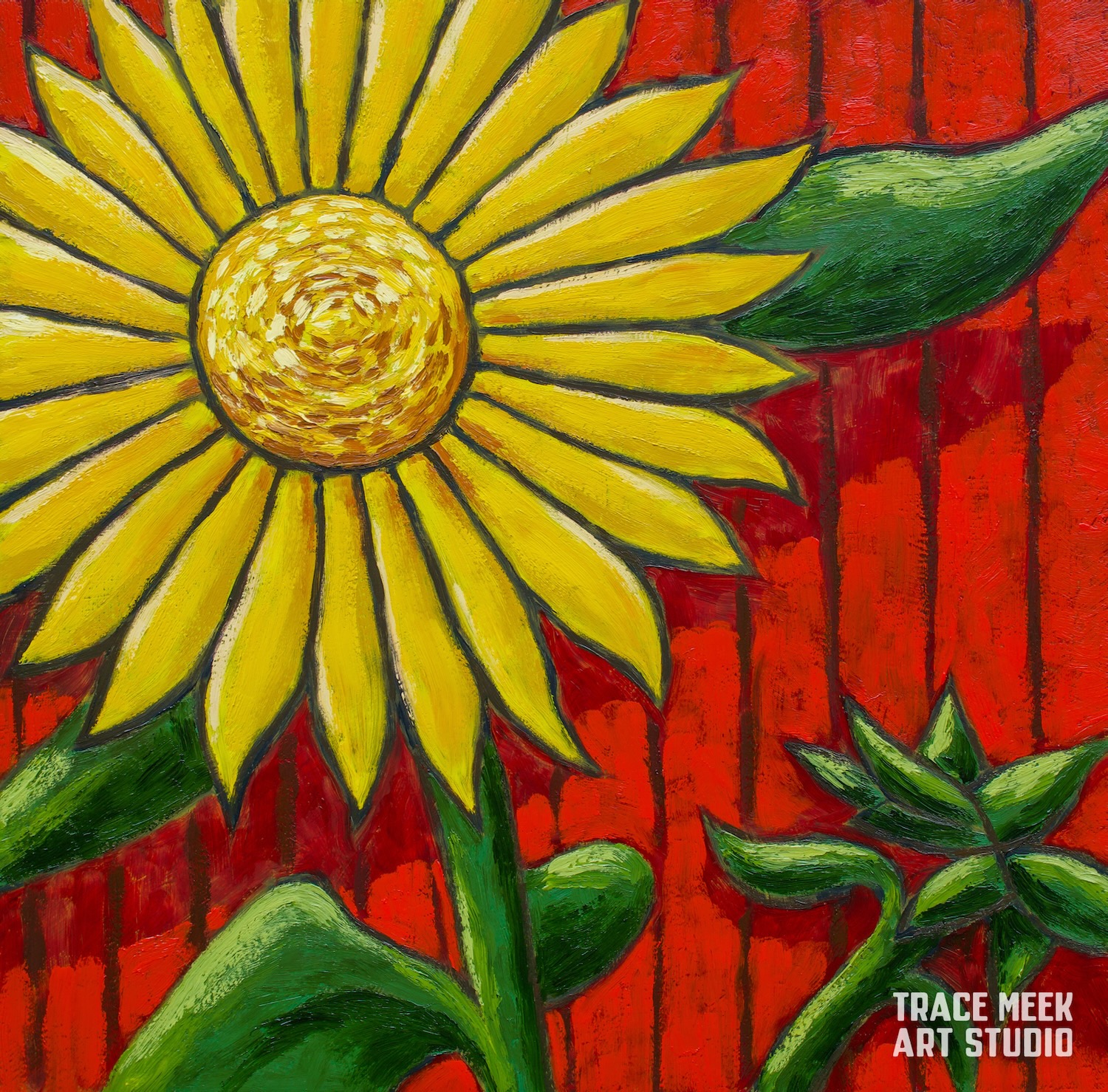
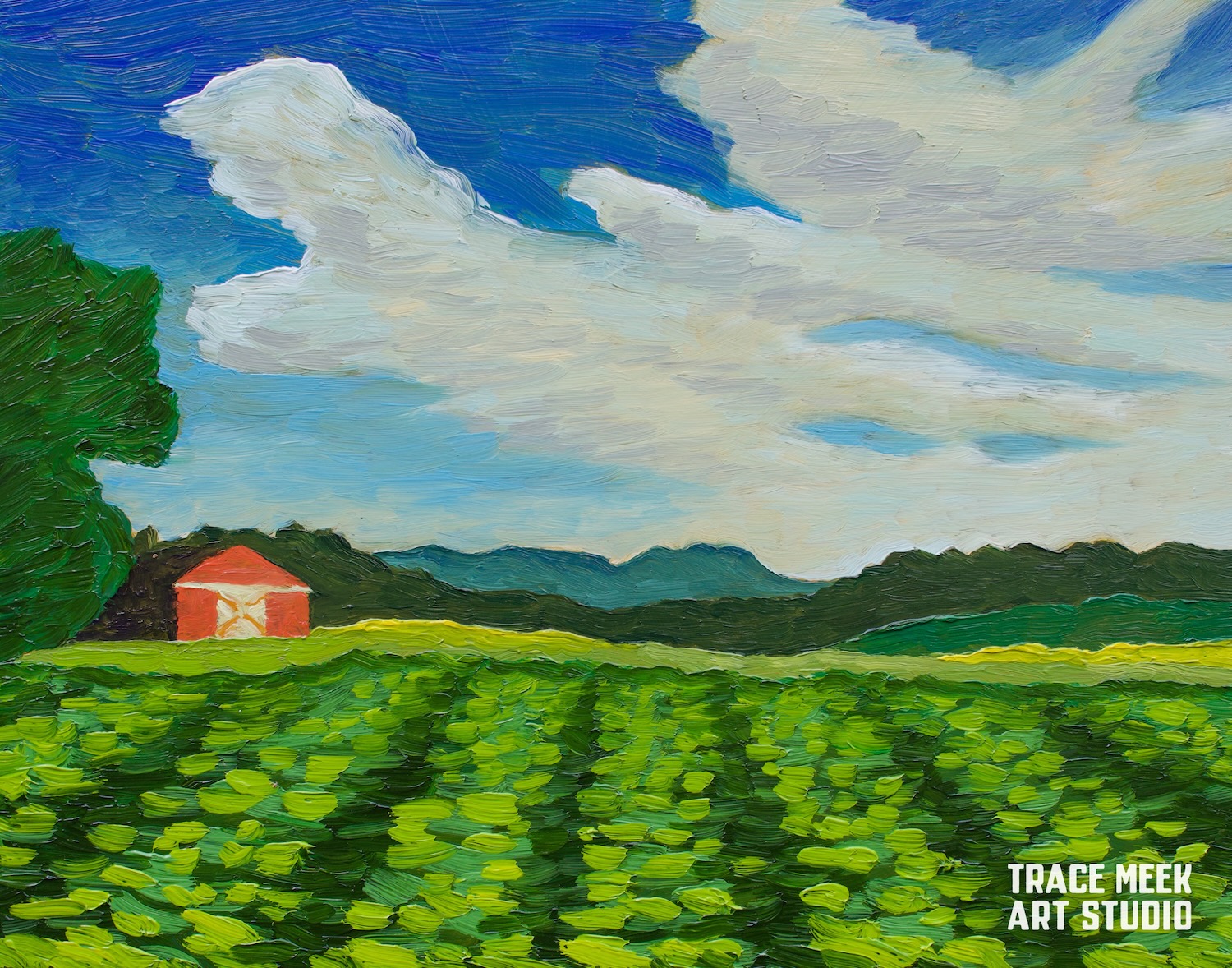
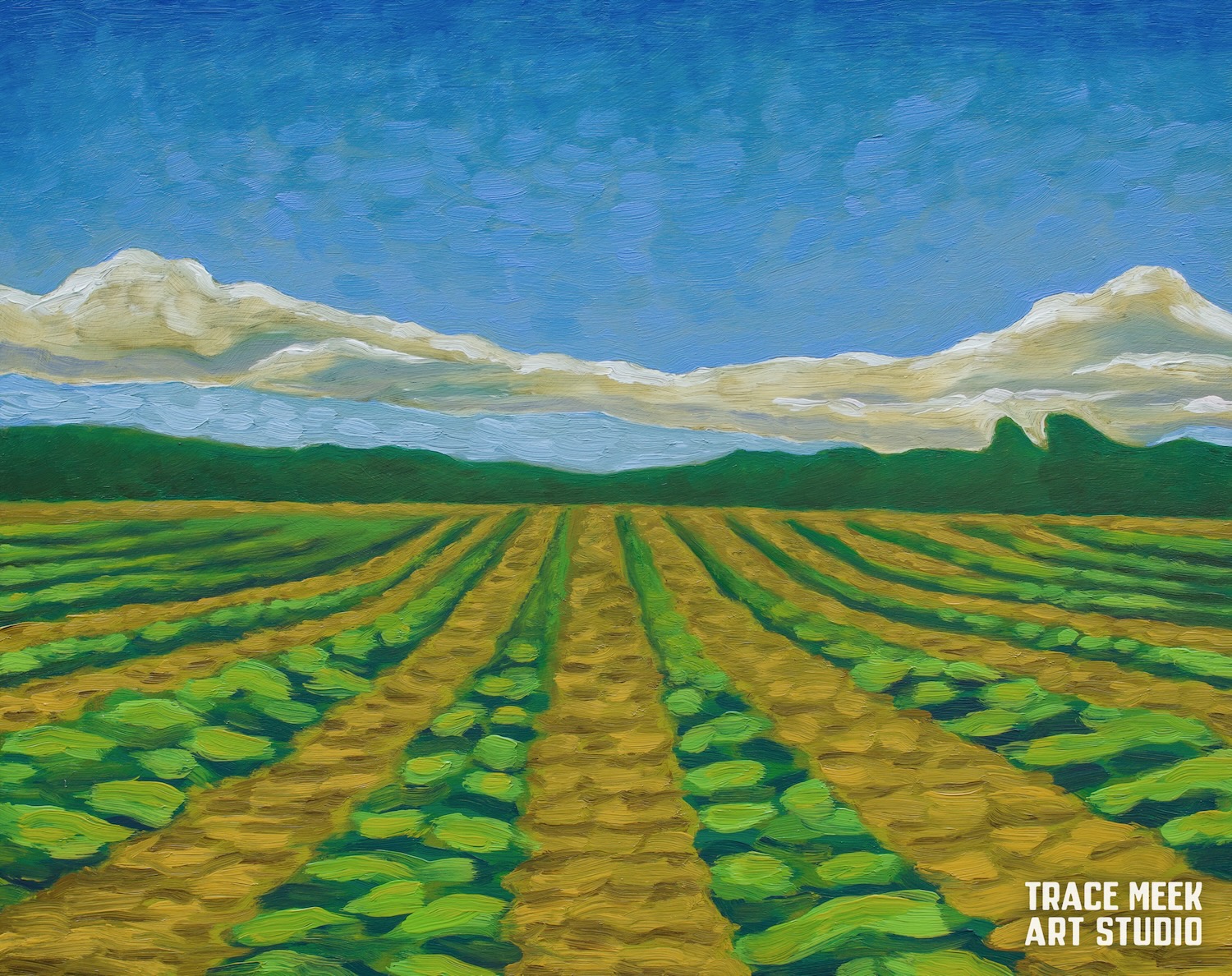
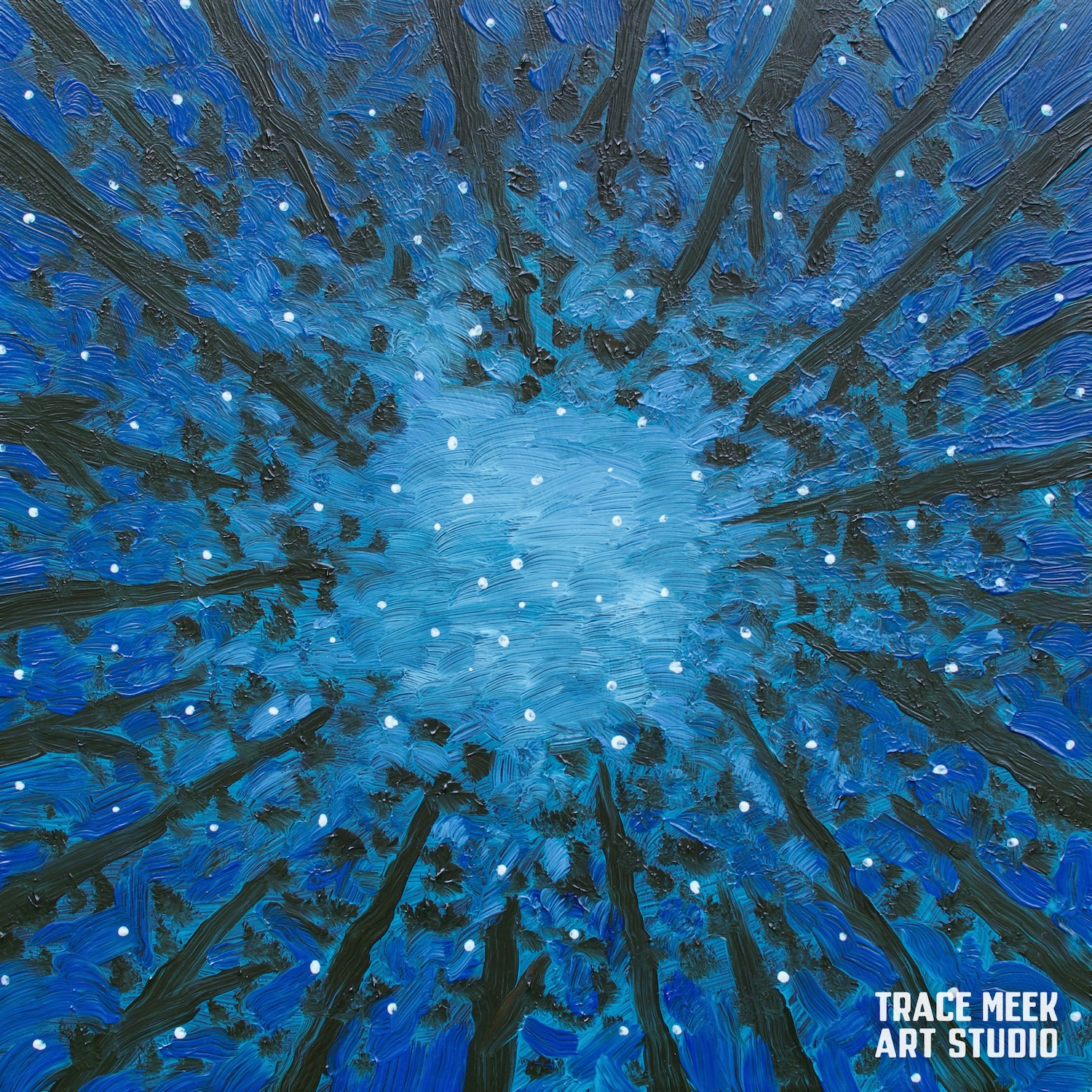
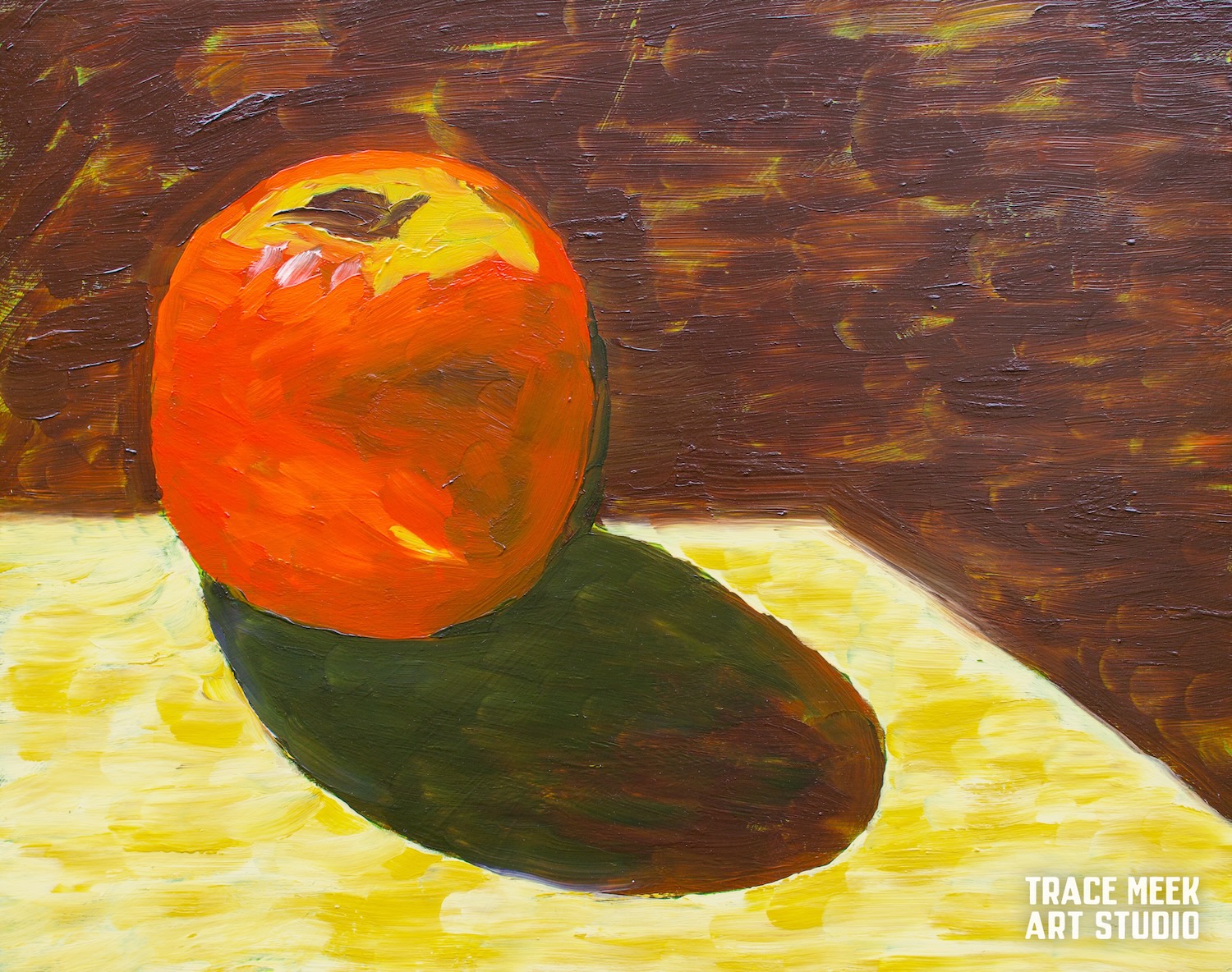
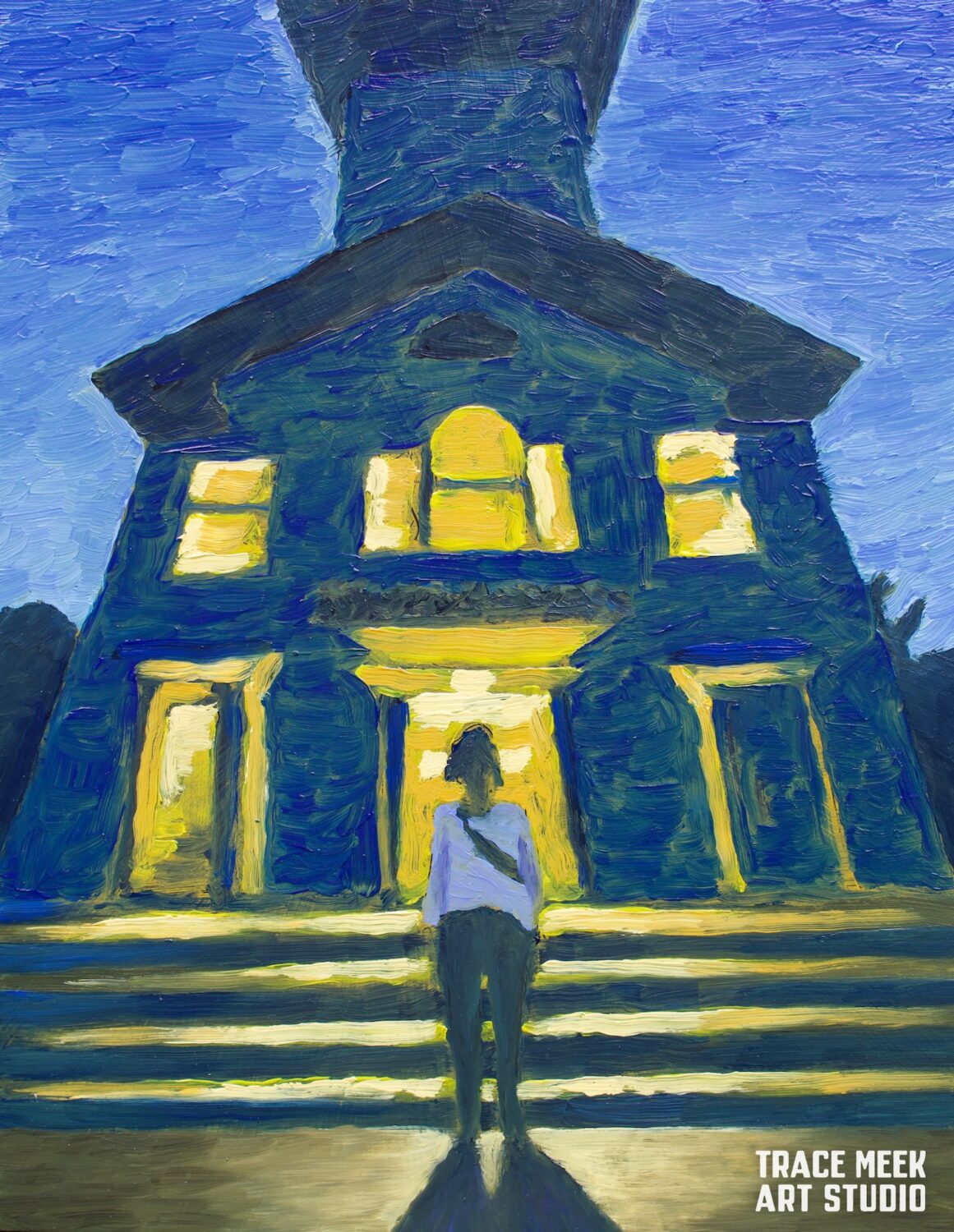
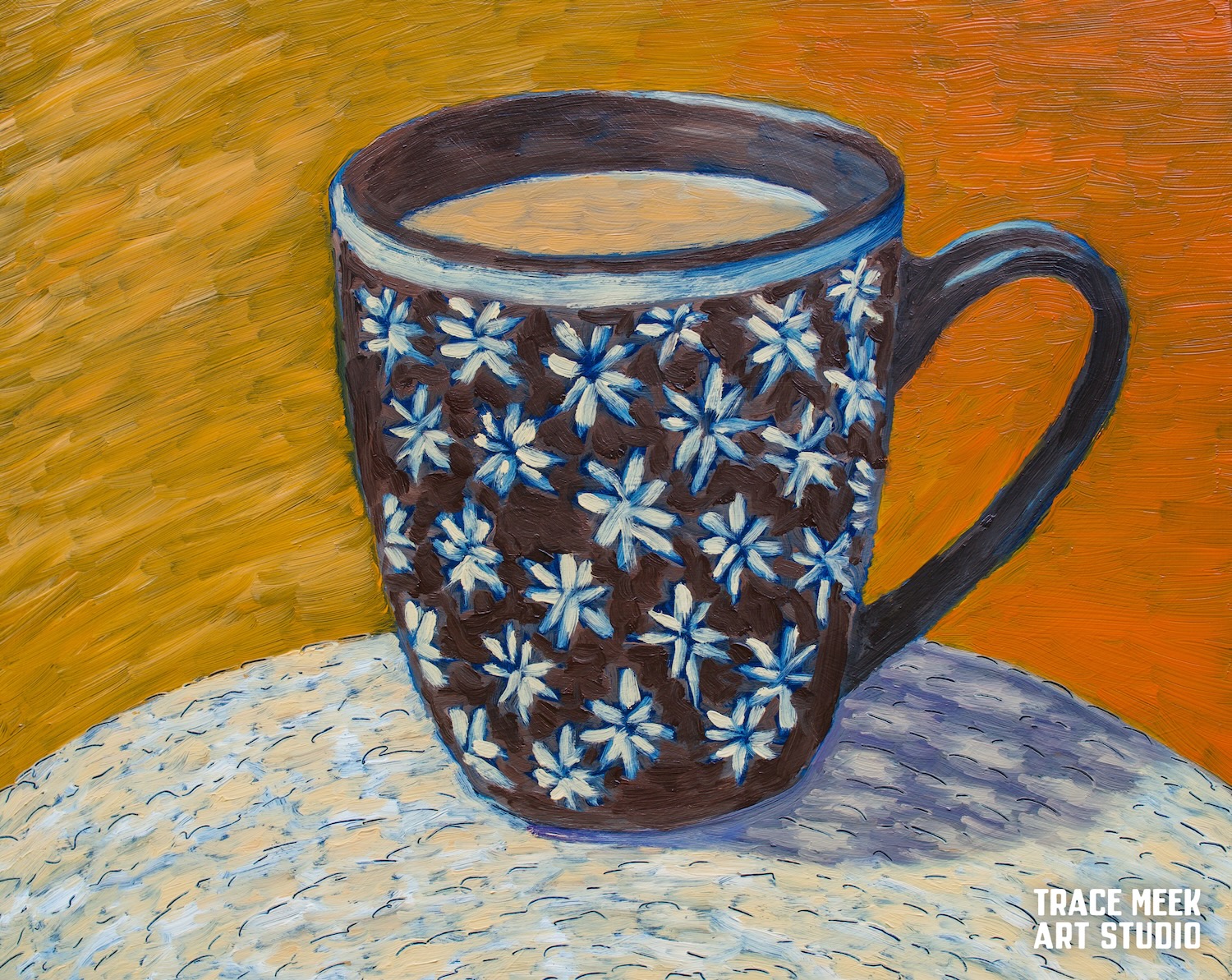
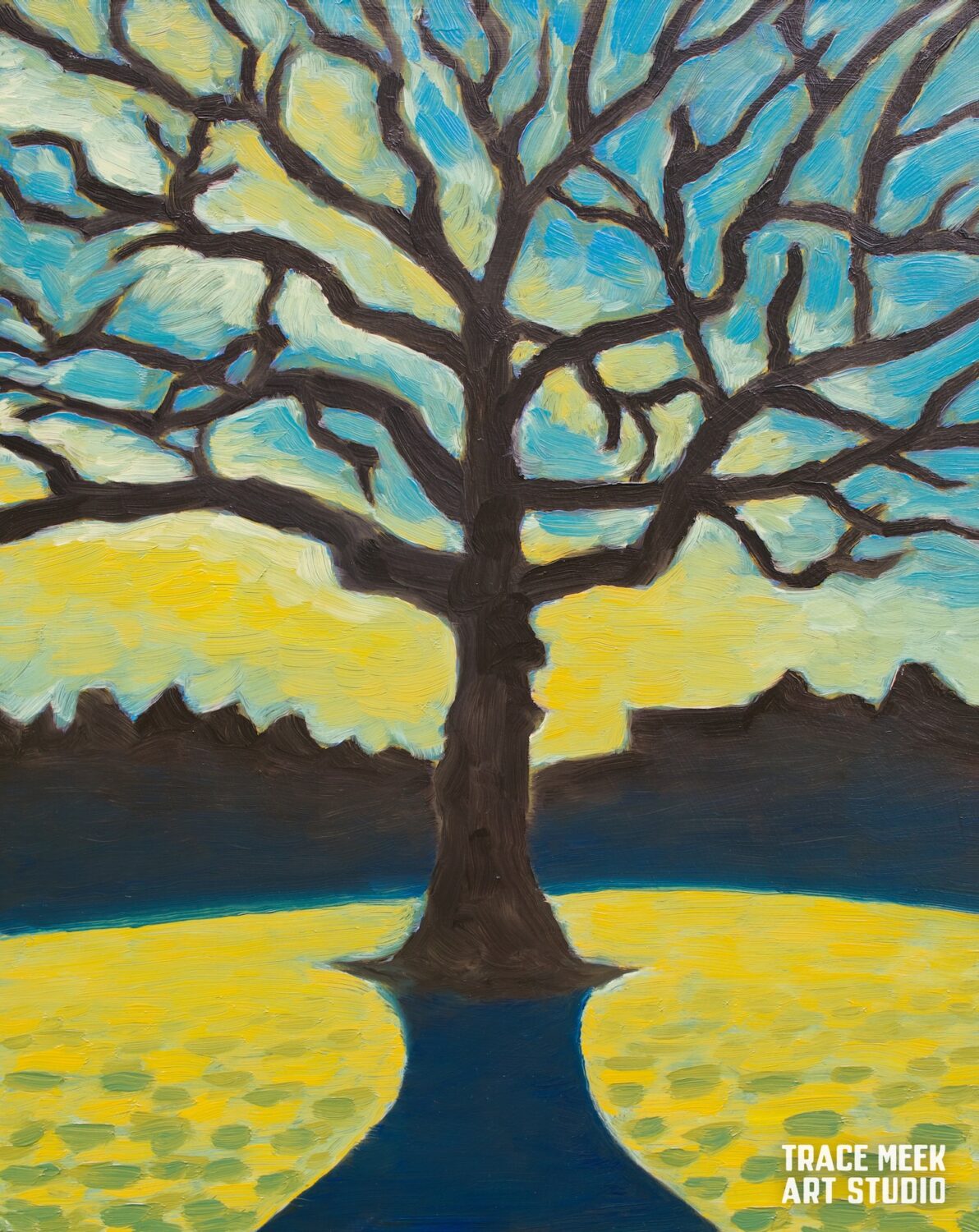
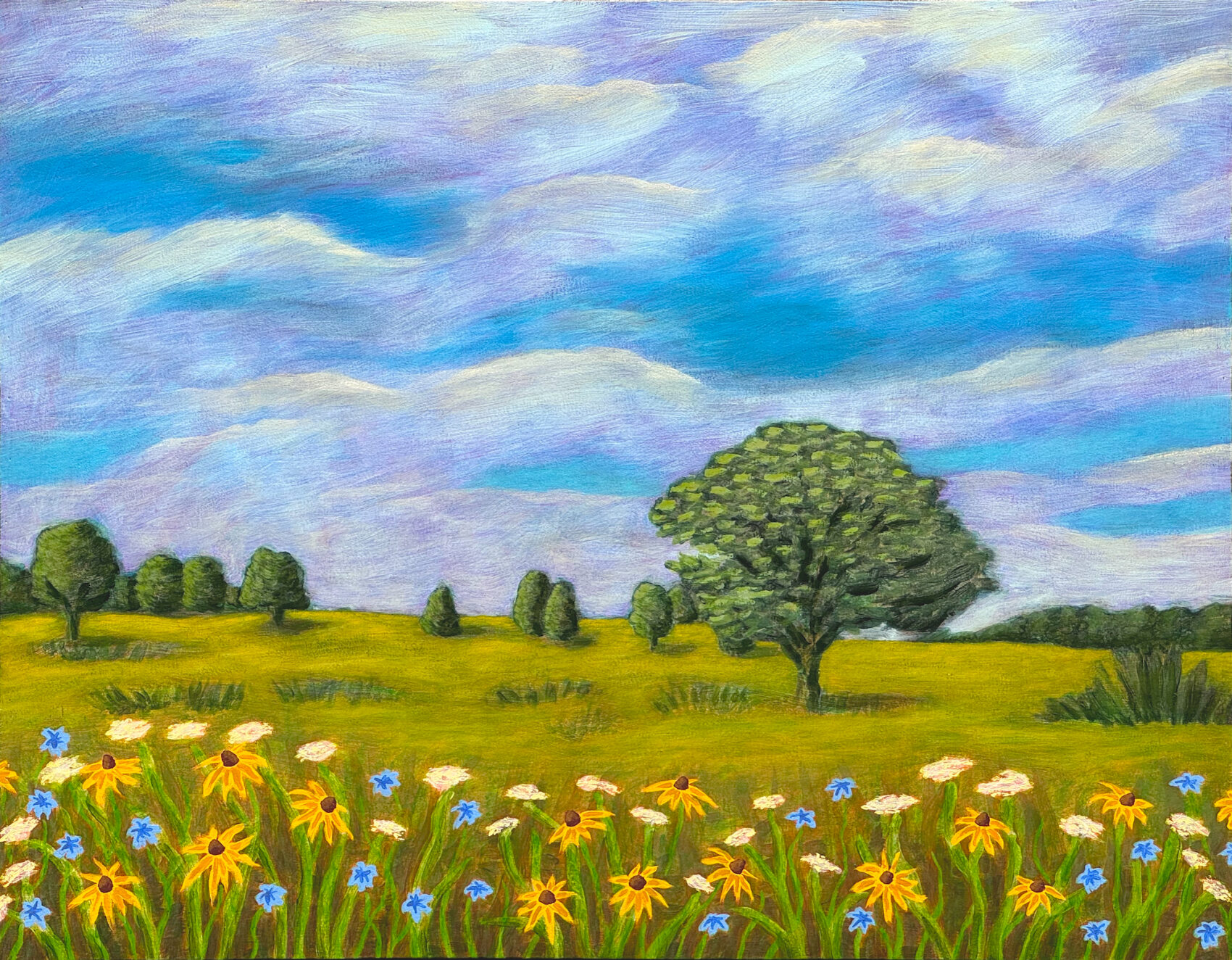
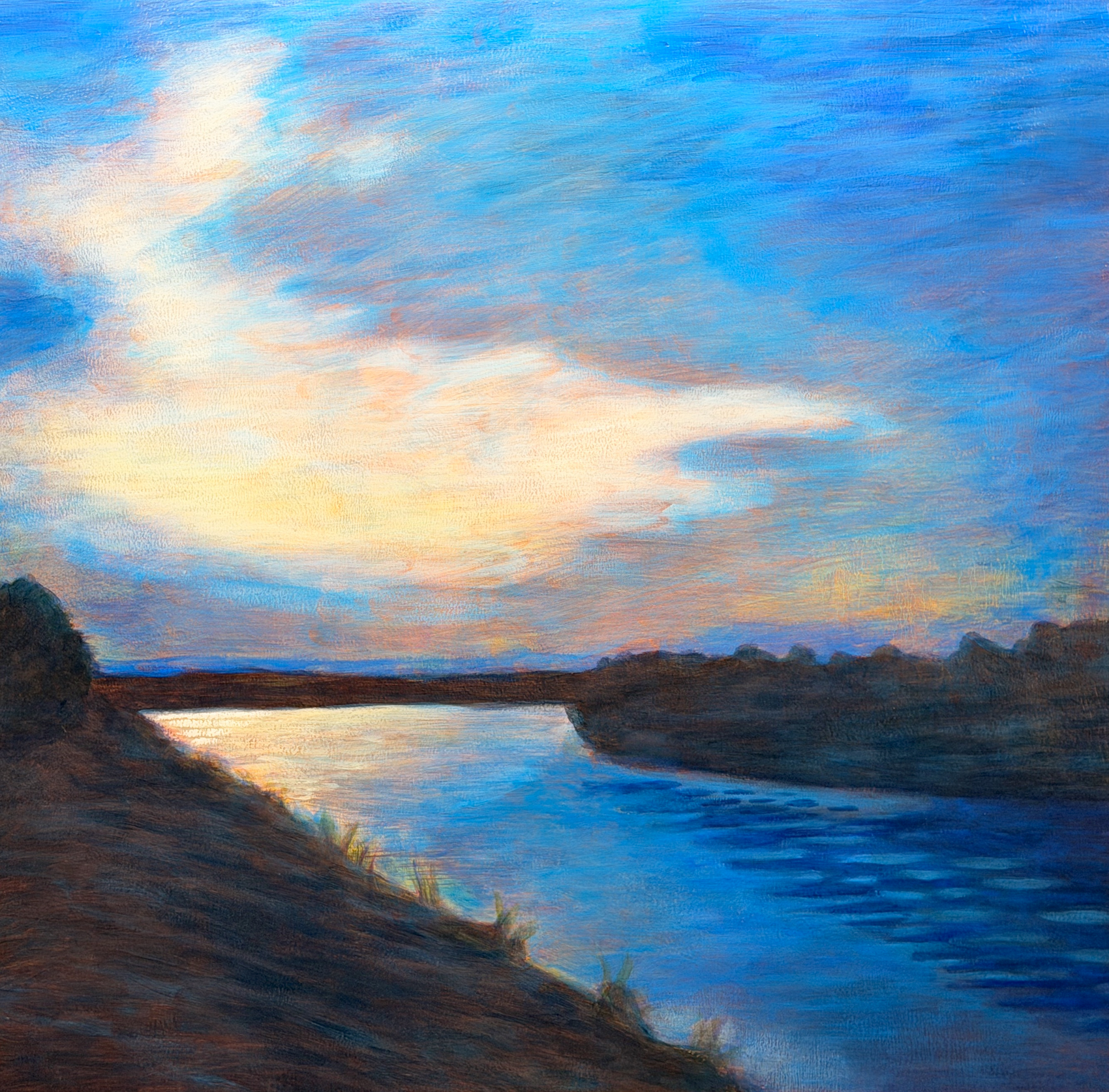
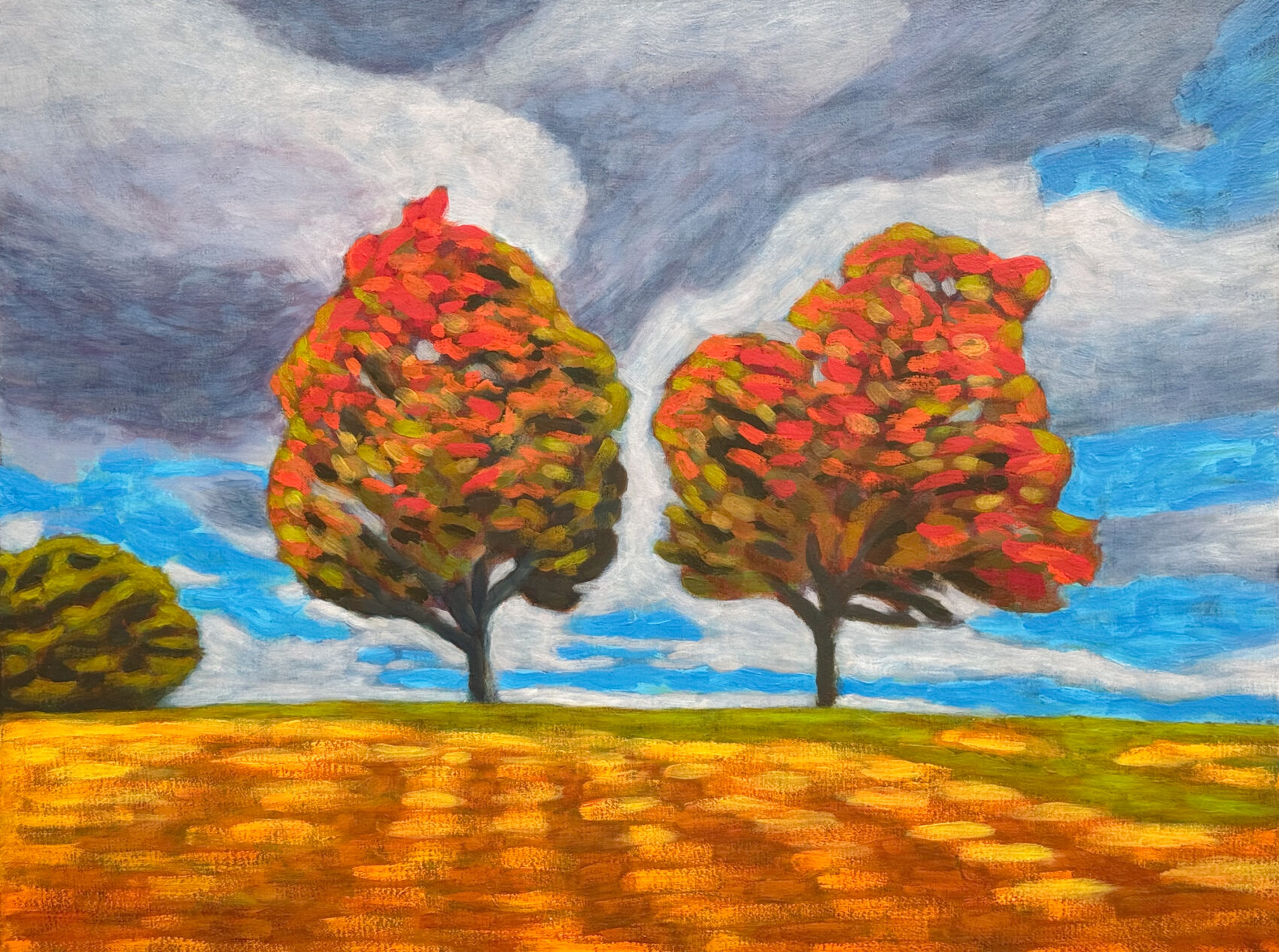
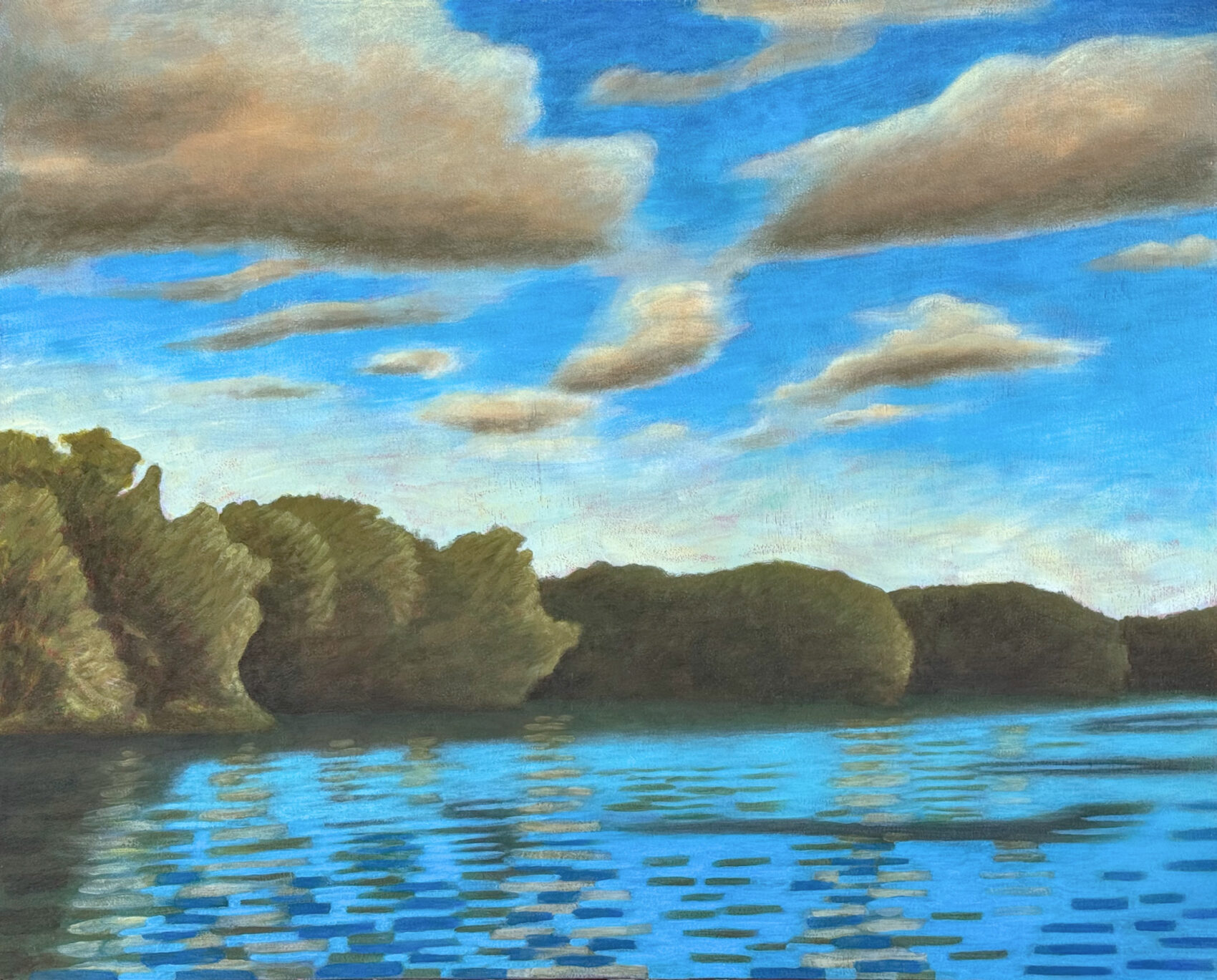
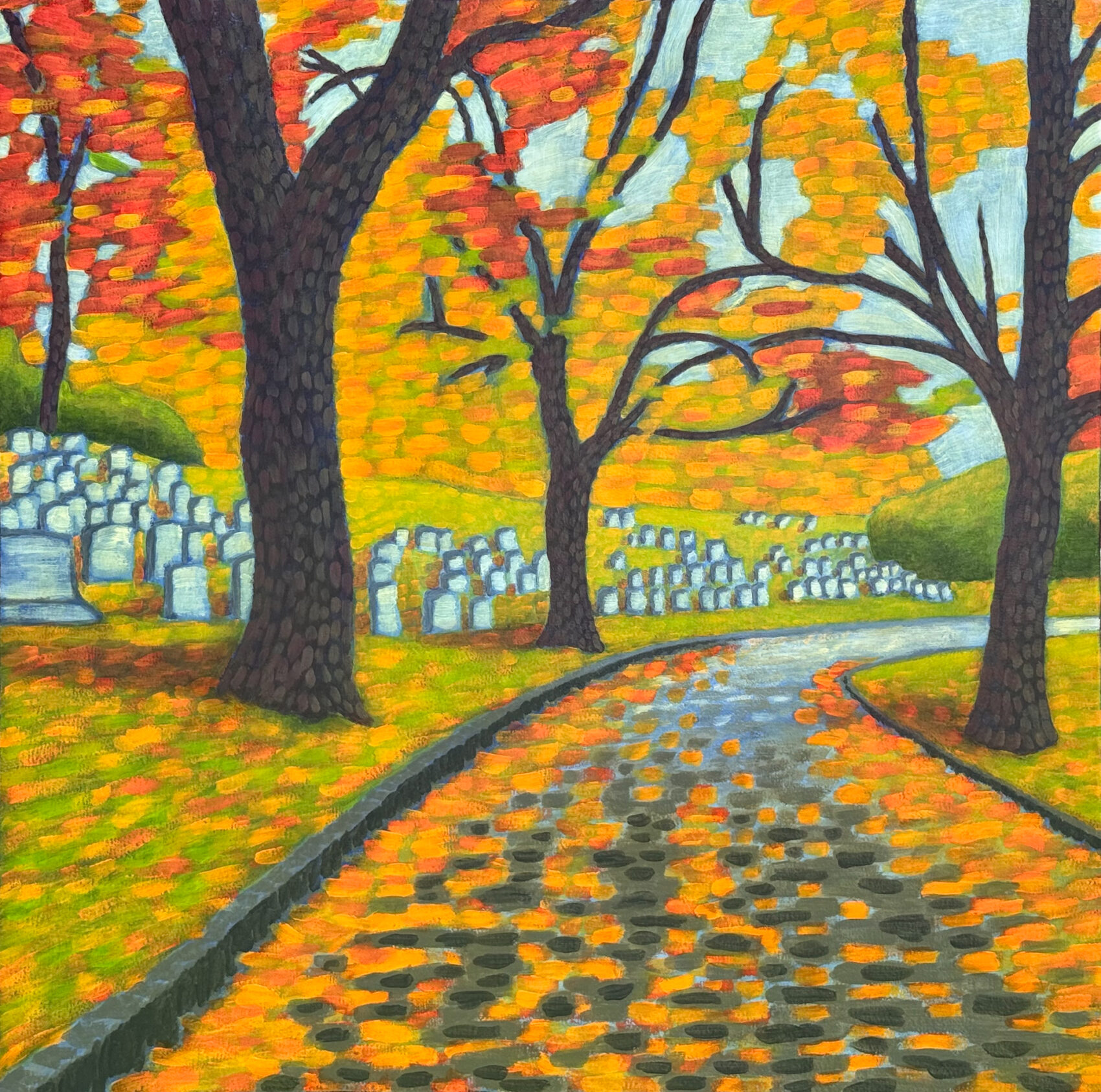
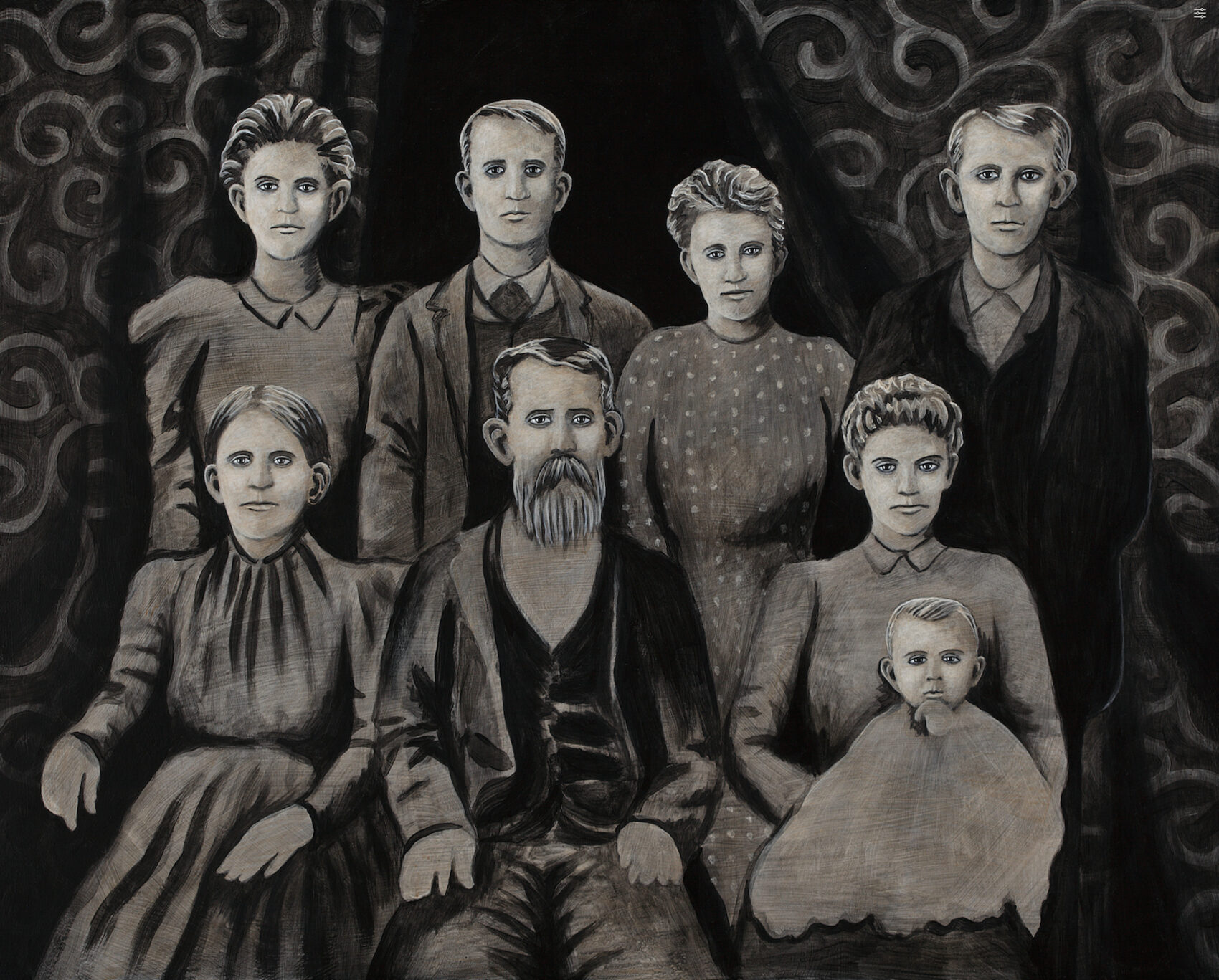
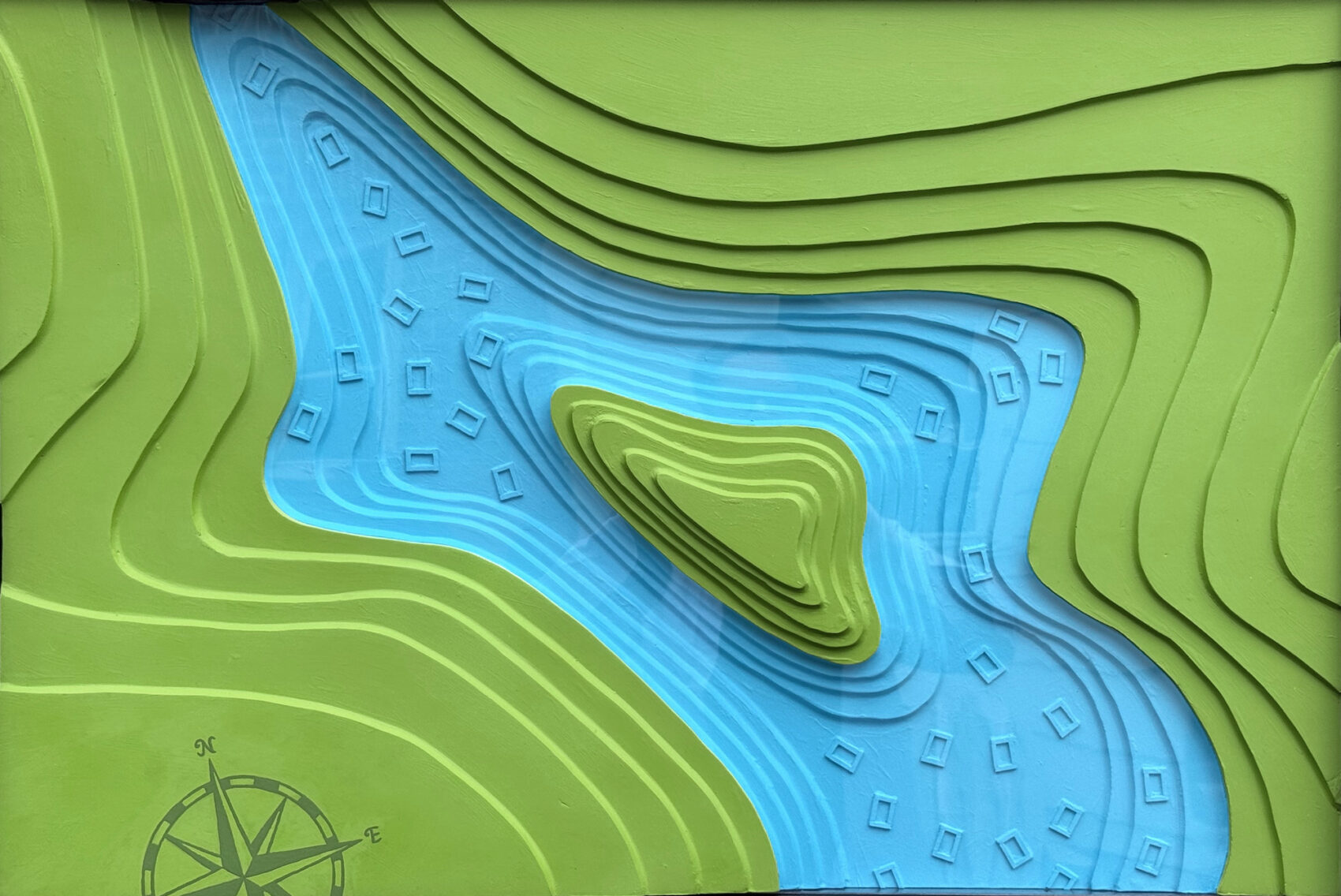
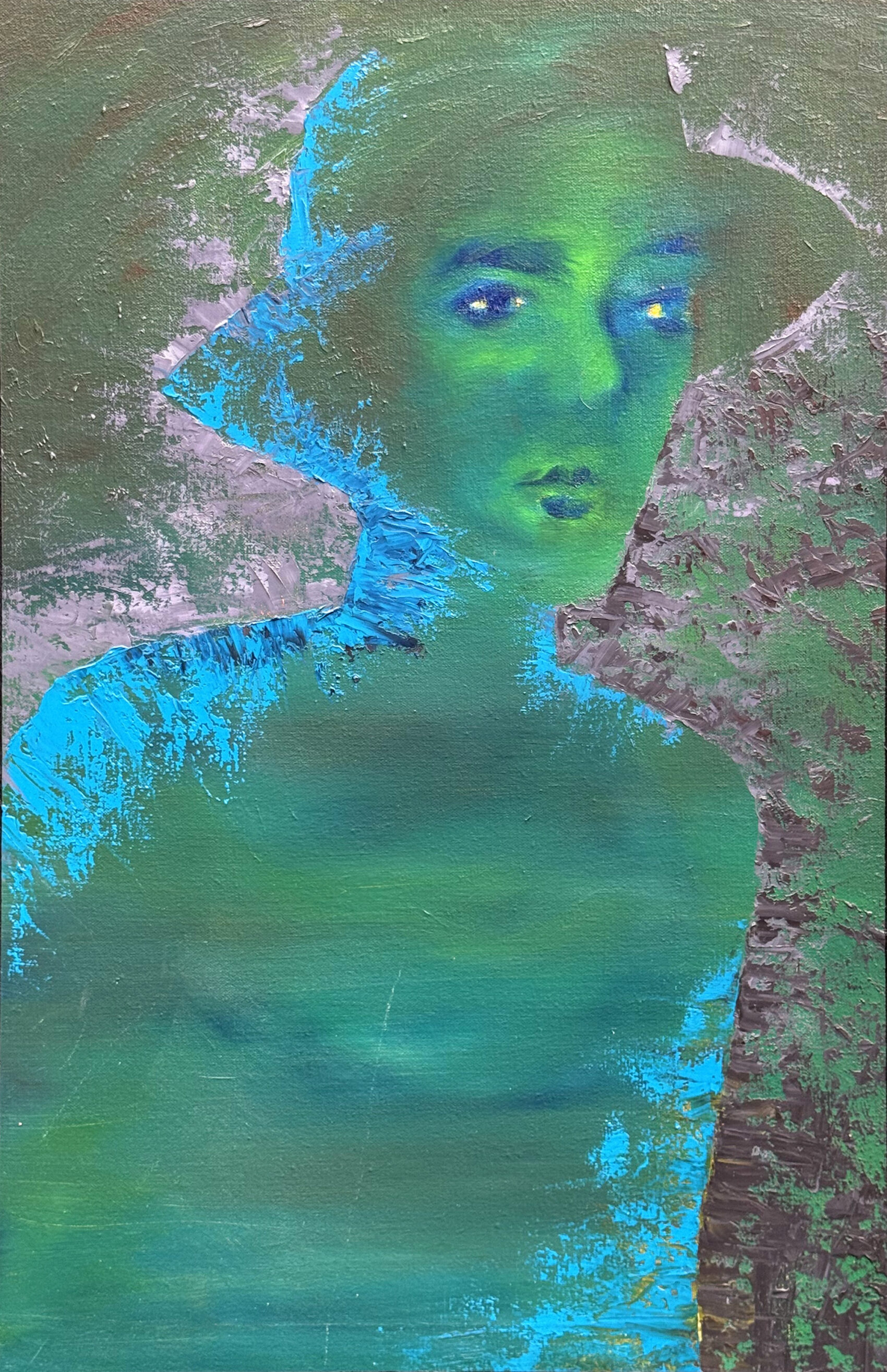
I’m having an art show and you’re invited. The show will take place the entire month of September, 2026 at Mt. Tom’s Homemade Ice Cream, at 34 Cottage Street in Easthampton, Massachusetts. There will be an opening reception from 4–7 p.m. on Saturday, September 5th. I hope to see you there!
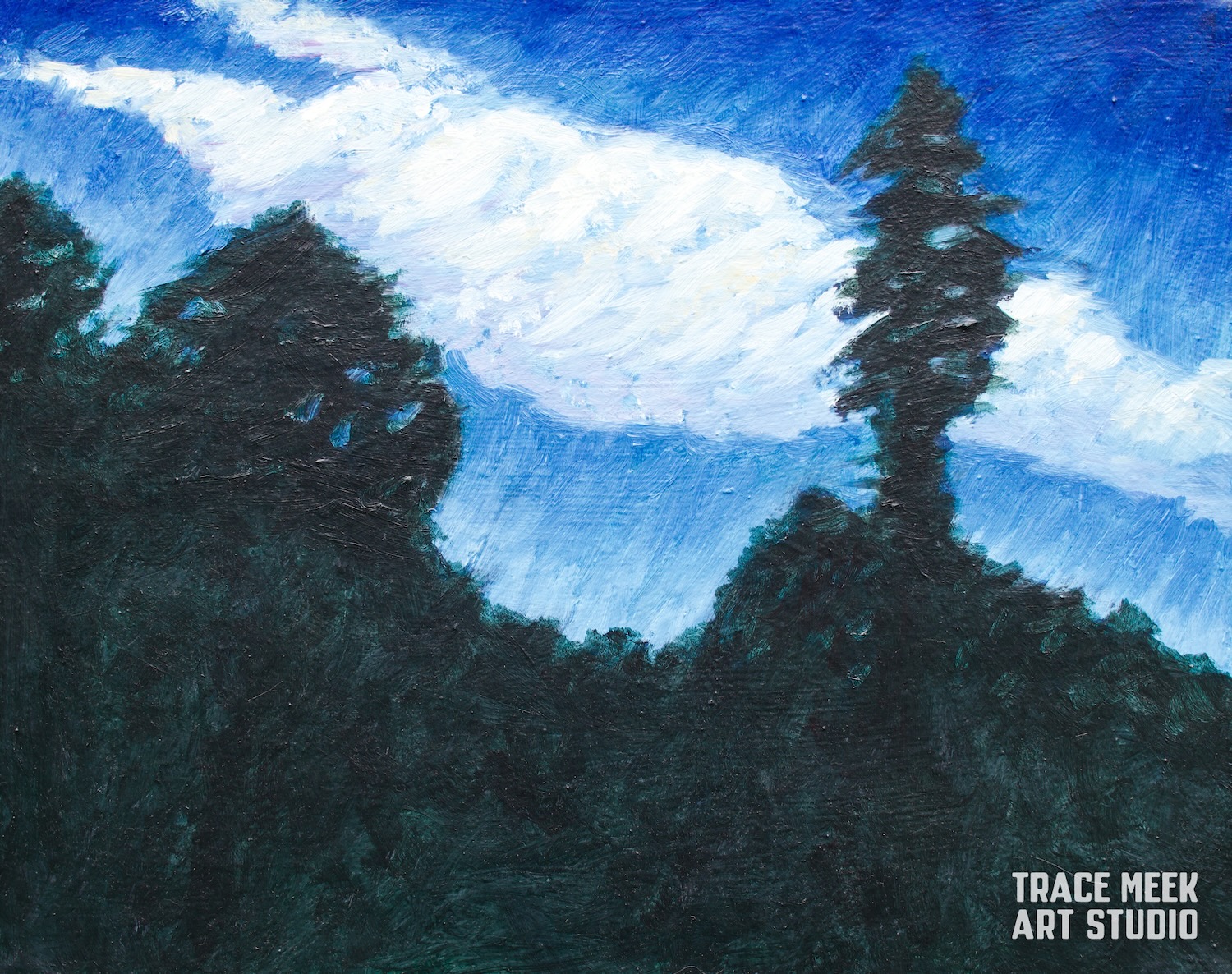
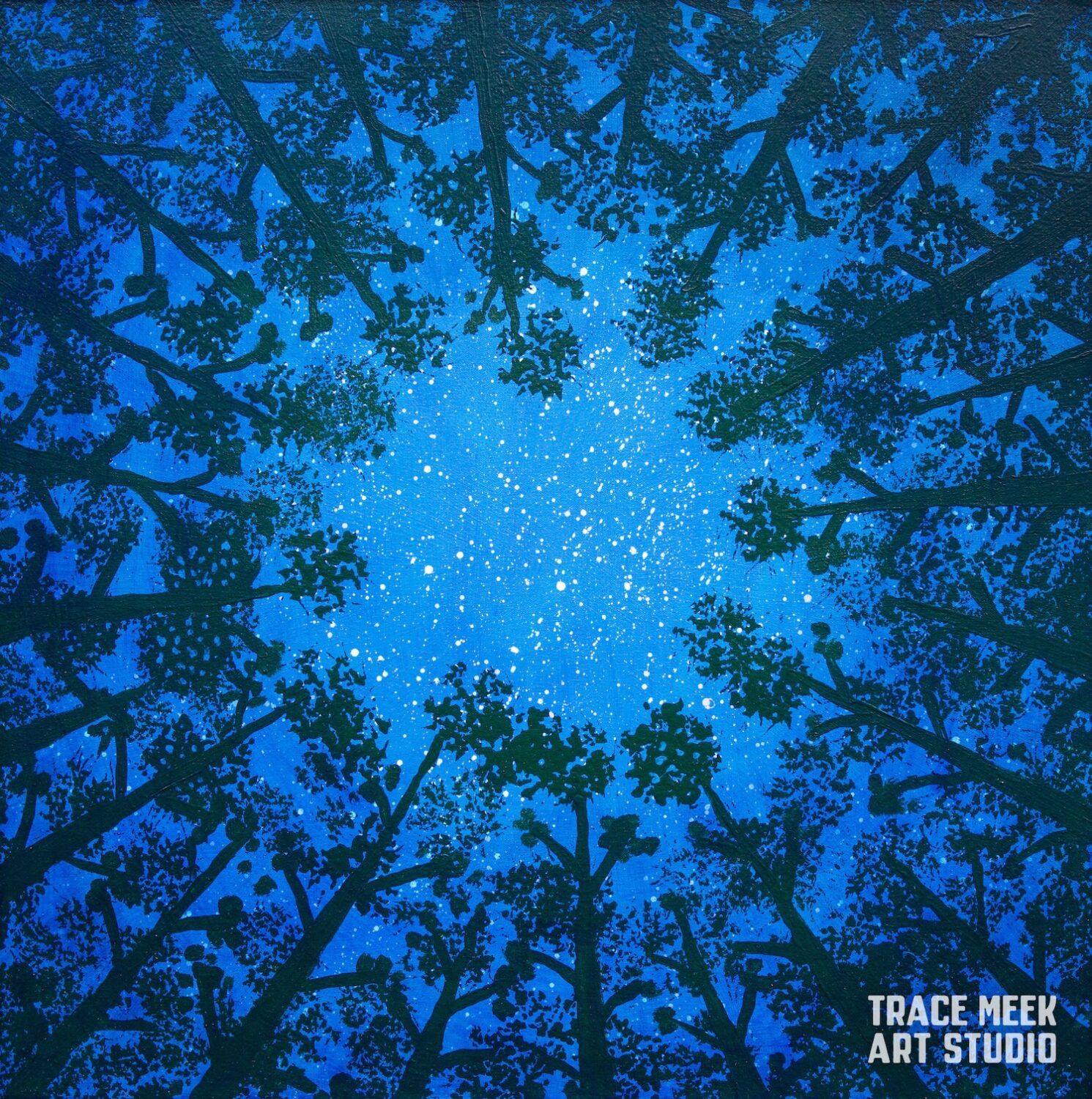
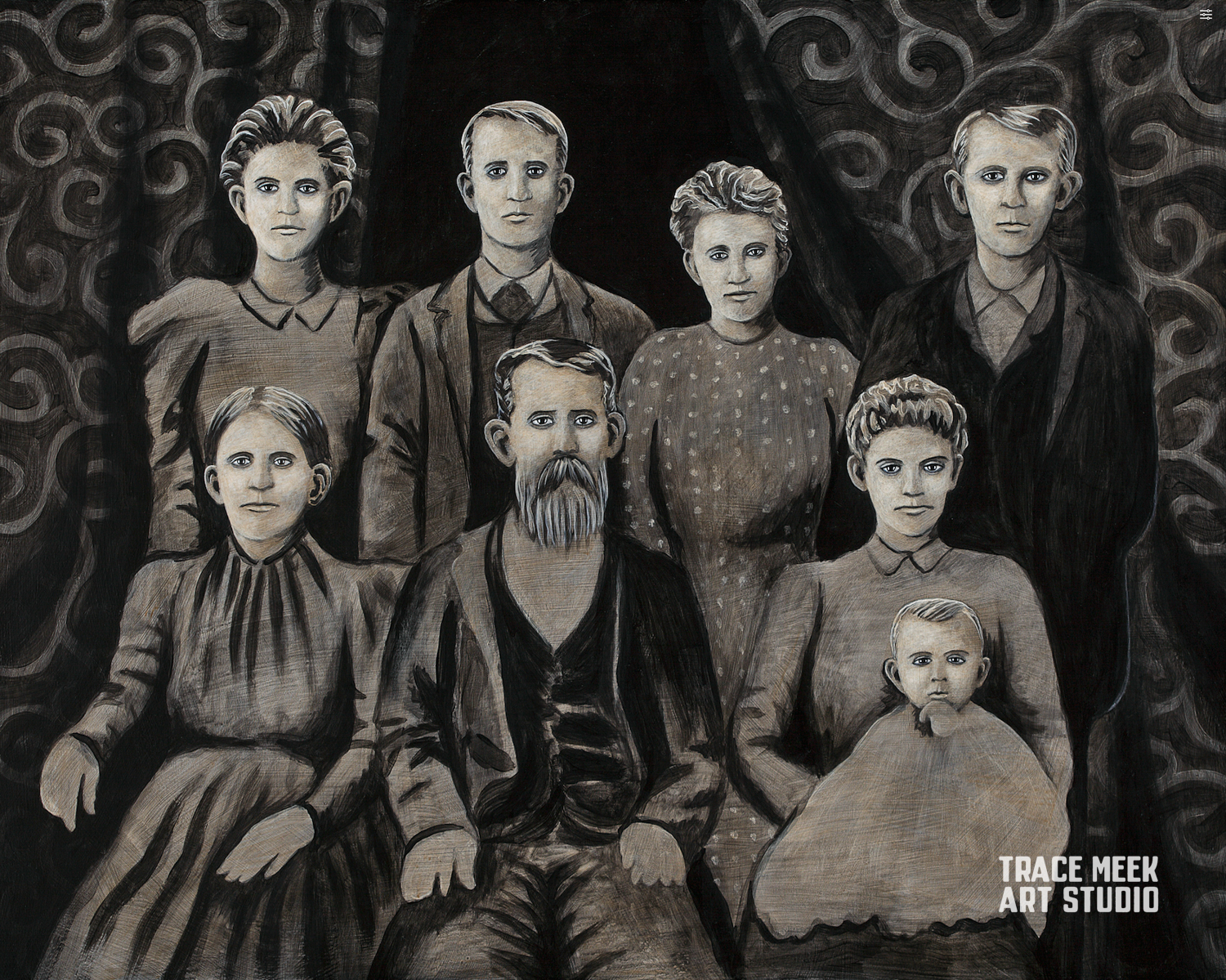
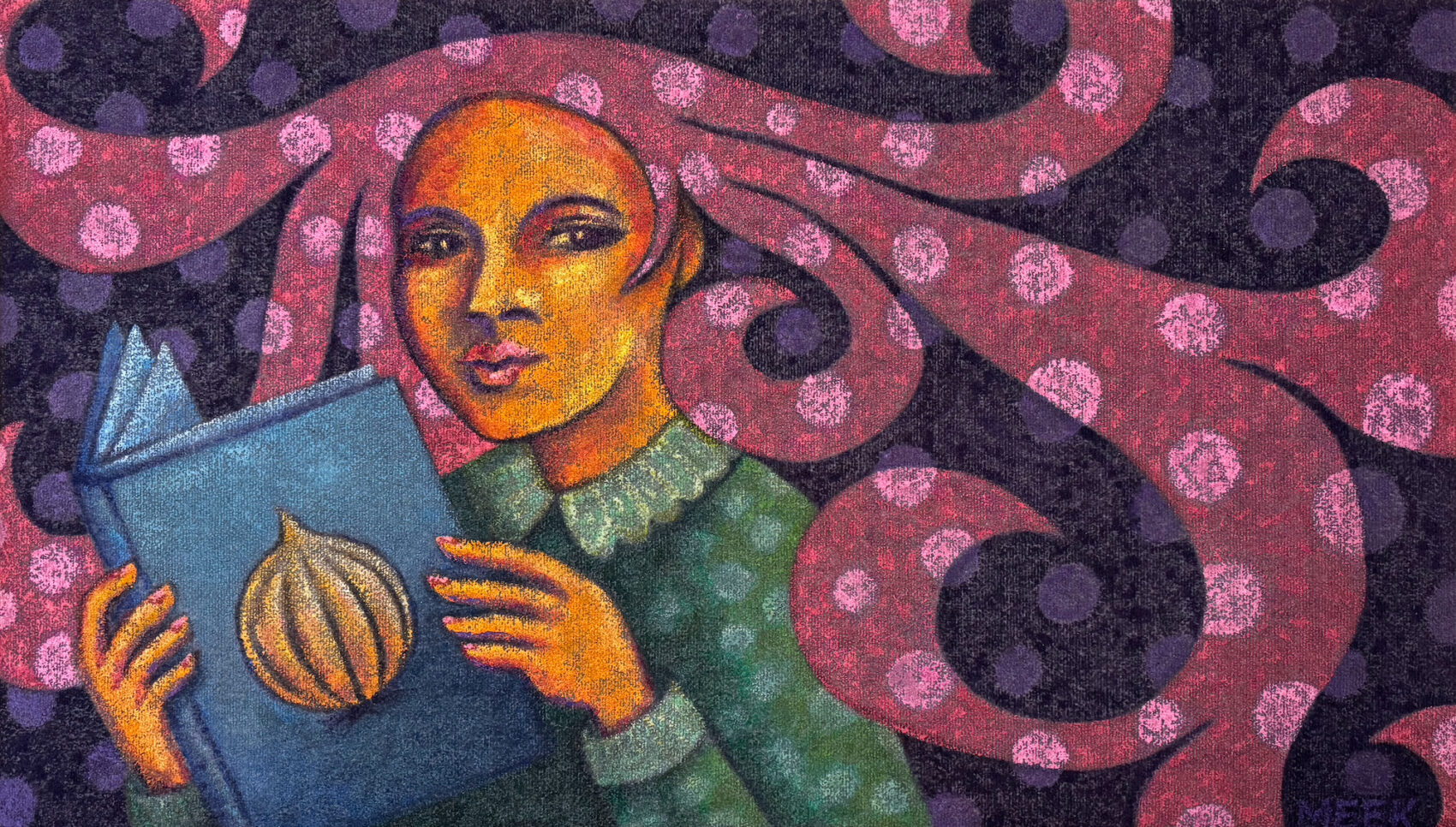
The title of the show—Alla Prima—means “at first attempt” in Italian. This refers to paintings that are executed from start to finish in a single session, often employing a “wet-on-wet” technique to blend colors serendipitously on the painting surface. (Of course, I also deliberately mix colors on the palette before I apply them to the painting.)
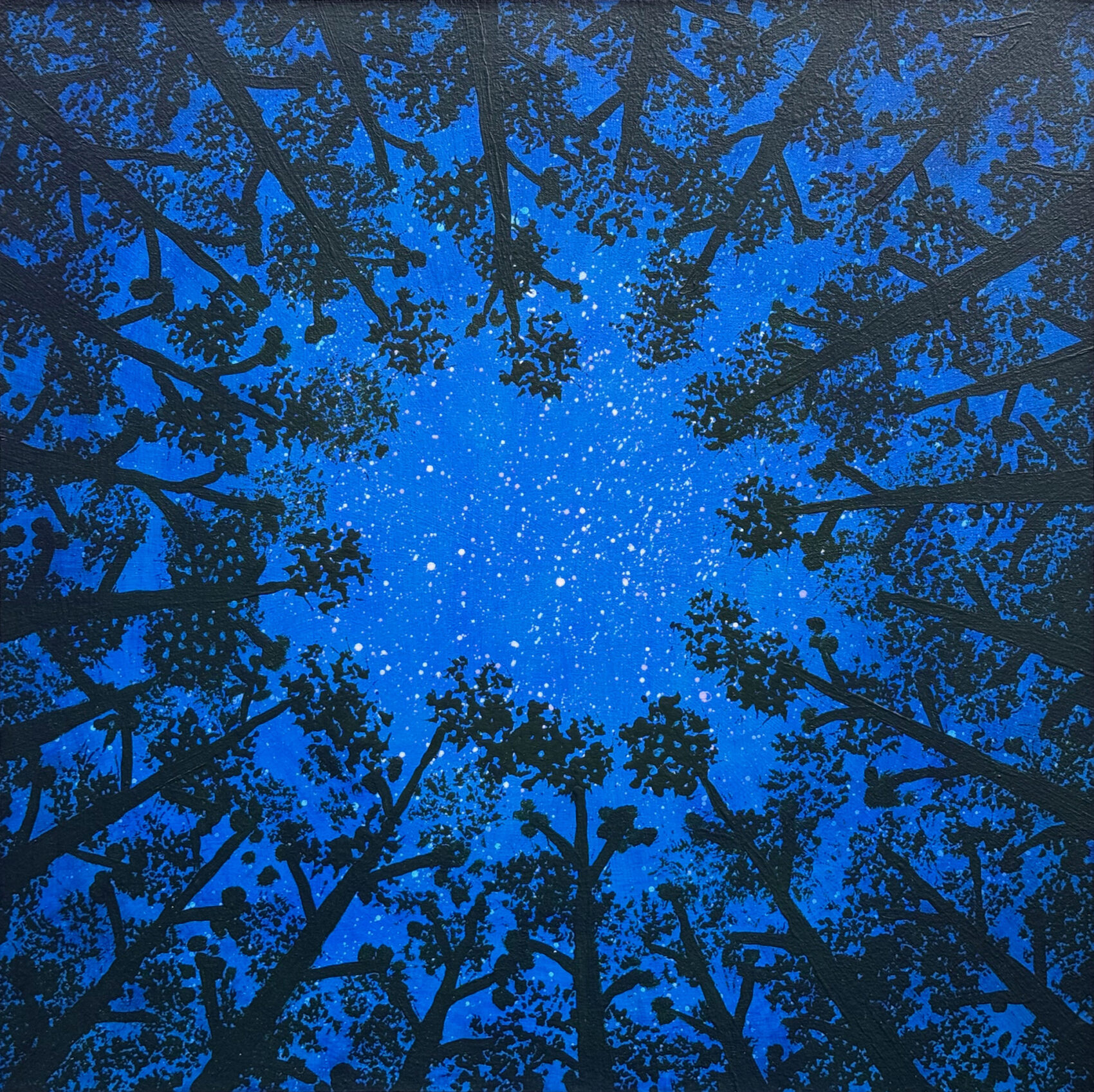
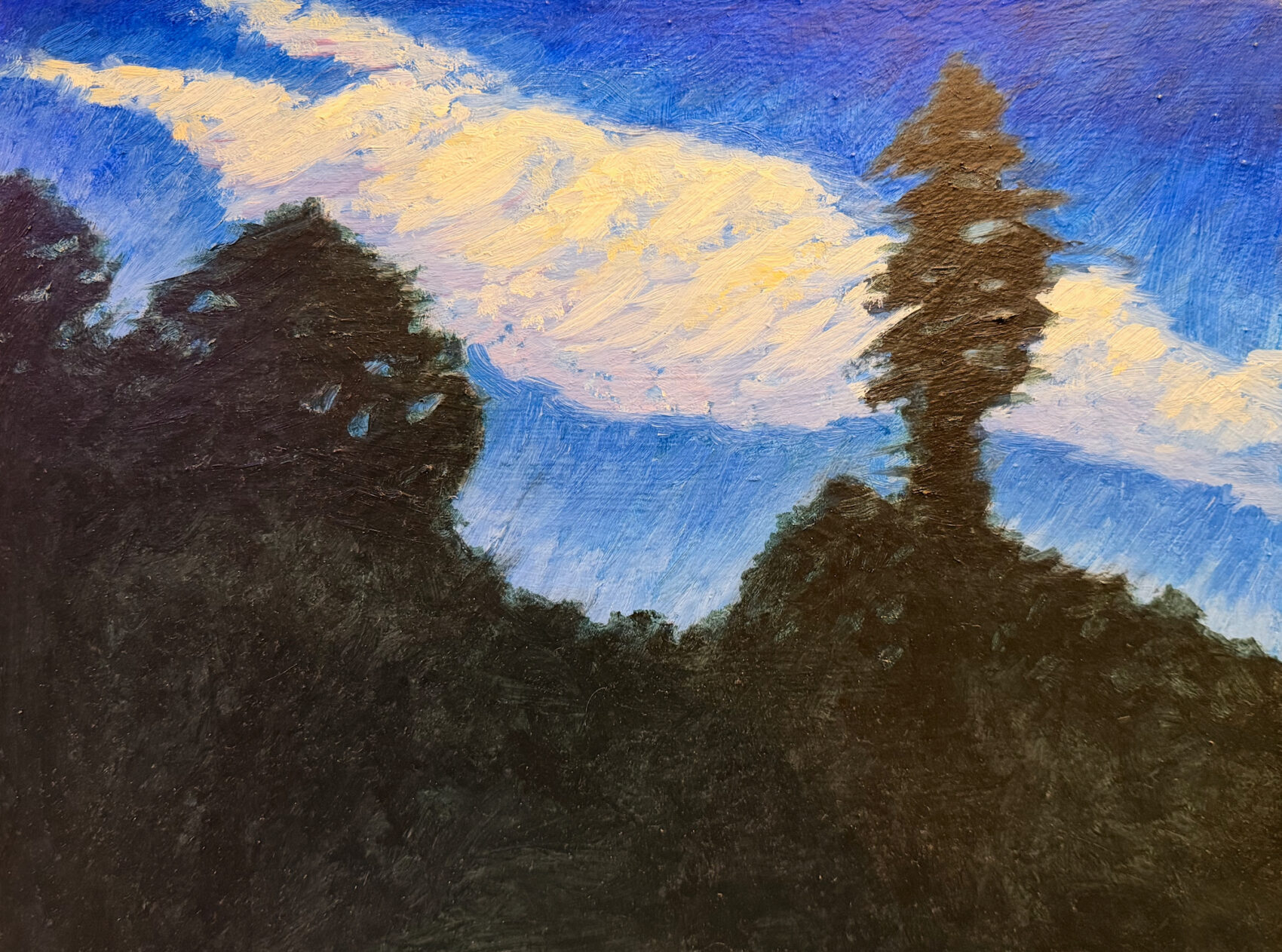
Full disclosure: two of the paintings I’m including in this show—Looking Up and Flying Cloud—I made prior to the beginning of this year. And Looking Up was made with acrylic paint, not oil. The smaller Looking Up, Again (which I almost titled Looking Up, Jr.) is an oil painting. Lastly, Goat Peak took me two days to complete, though it still embodies the spirit of alla prima.
Historically I have tended to take my sweet time making paintings, laying translucent layer upon translucent layer, letting each layer dry before proceeding to the next, occasionally pausing for months or years at a time before continuing. There’s nothing inherently wrong with this approach, but I had been wanting to get back into the painting game. Why? Because it’s fun. Up until this year, the alla prima approach had been fairly new to me. The verdict? I love it!
The Works